



Sustainable Corporate Incentive Trip Ideas for 2026
How to reward your team with purpose and impact
Corporate incentive trips are changing, moving beyond opulence to experiences that feel purposeful, people-first, and aligned with the values of today’s workforce. In 2026, the most successful programmes are those that inspire, not just through beautiful destinations and bucket-list activities, but through purpose and sustainability.
As businesses strive to meet their ESG goals and align with the growing employee values of environmental responsibility, sustainable incentive tourism has become more than just a trend. It’s an opportunity to create real, lasting impact for your people, your brand, and the environment. Well-planned corporate incentive trips have become a smart investment in both culture and sustainability outcomes.
Whether it’s a wellness retreat in Rotorua, a Coral Reef Conservation Snorkelling adventure in Fiji, or a leadership summit in the Daintree Rainforest, here’s how to deliver corporate incentive trip ideas that reward your team with real meaning.
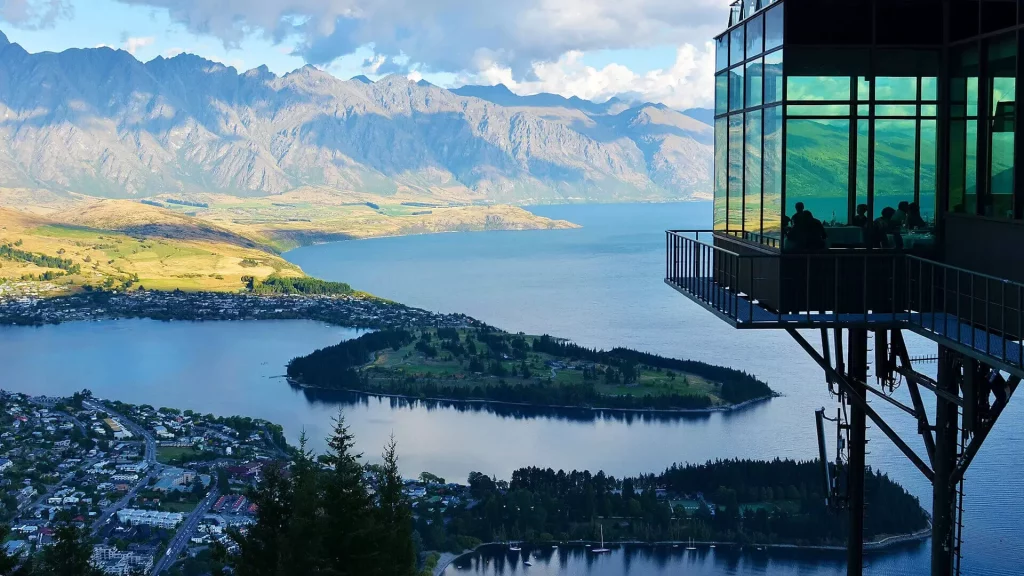
Explore Sustainable Destinations for Corporate Incentive Travel that align with your values
Start strong by selecting a sustainable destination that prioritises environmental and cultural sustainability. Look for eco-friendly destinations with responsible tourism initiatives, low-impact infrastructure, and a clear commitment to protecting local ecosystems and communities.
Questions to ask:
- Does the region promote sustainable tourism or hold eco-certifications?
- What sustainability initiatives or environmental protections are currently active in the destination?
Top Picks for Sustainable Destinations:
- Queenstown, New Zealand, (carbon-neutral tourism initiatives)
- Tasmania, Australia, (eco-certified lodges and nature reserves)
- Koror, Palau, (visitor sustainability pledge and marine protection laws)
For Melbourne-specific programs, our guide to incentive travel in Melbourne covers eco-accommodation, sustainable tours, and a sample 3-day itinerary.
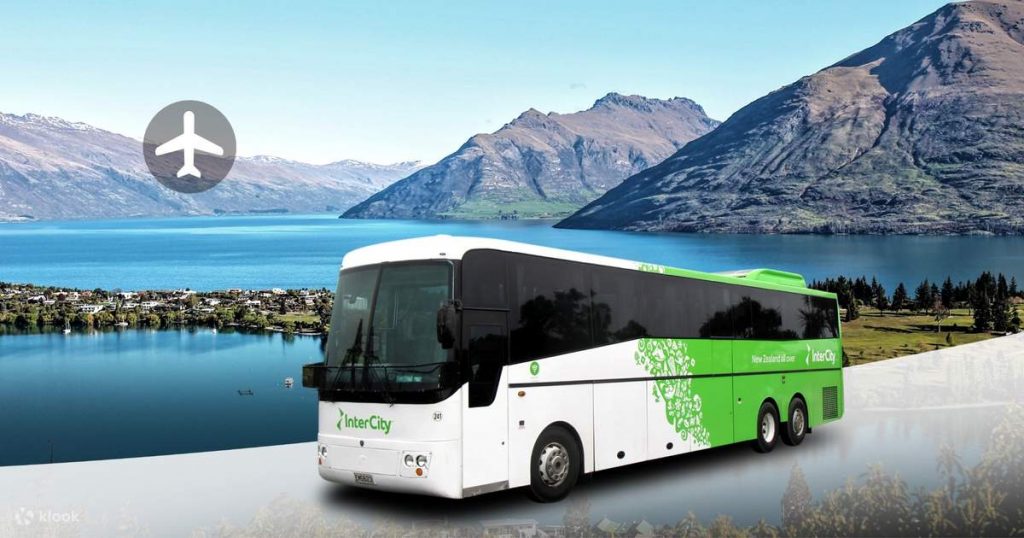
Travel Smarter: Minimise Emissions on Your Incentive Trip
Transportation is often the biggest contributor to your incentive trip carbon footprint. Aim to reduce emissions with direct flights, shared transfers, and low-emission travel options. For incentive tours, consider nearby international destinations to reduce flight emissions. For ground transport, encourage eco-friendly options such as trains, electric vehicles, or public networks like Melbourne’s iconic tram system.
Sustainable Planning Insight: Offset emissions with a local carbon offset partner like Greenfleet or Trace, and communicate this initiative clearly with your attendees. This helps make your corporate incentive travel more carbon-neutral and eco-friendly.
Stay with Certified Eco-Accommodation
Work with eco-certified hotels and resorts that walk the talk when it comes to sustainability. These venues often operate on renewable energy, follow strict waste and water management practices, and support the local economy. Look for properties certified by EarthCheck, EcoTourism Australia, or Climate Active.
Questions to ask your group accommodation provider:
- What sustainability certifications do you hold?
- Can you provide a breakdown of your environmental policies and reporting?
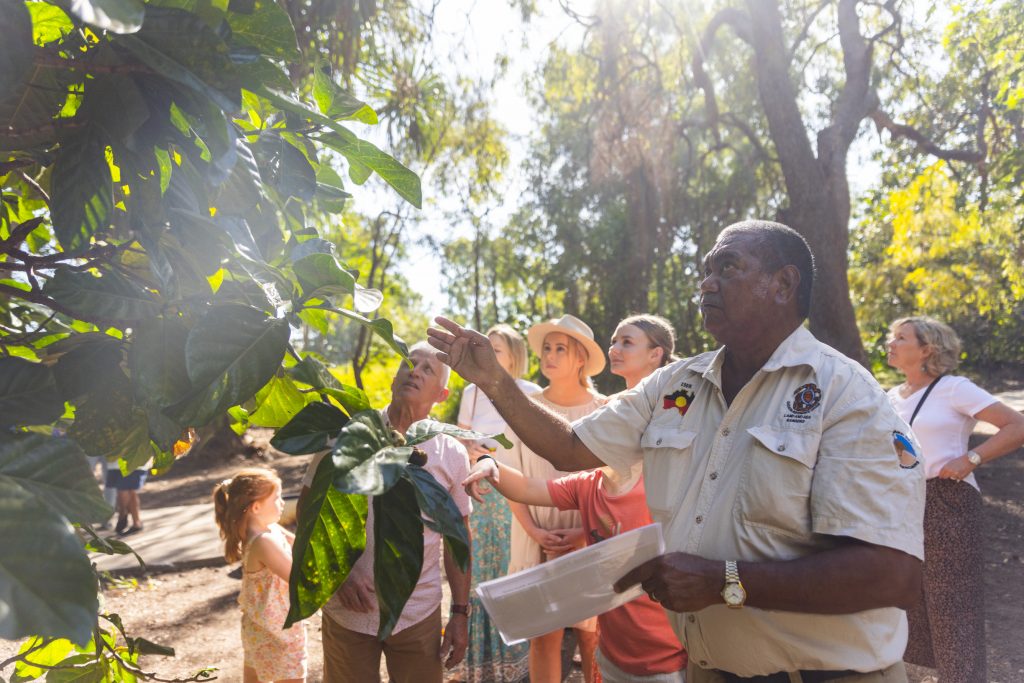
Curate Attendee Experiences with Purpose
Today’s teams are looking for meaning, not just luxury. Replace traditional sightseeing with purpose-driven experiences that connect guests to place, people, and purpose. Unique experiences like these not only become more memorable but also foster positive word-of-mouth between staff and their wider networks.
Top Picks for Sustainable Experiences:
- Coral reef restoration programs in the Pacific Islands led by marine education conversationists
- Indigenous-led bush tucker foraging with Traditional Owners in the Northern Territory
- Volunteering or fundraising team challenges
- Wildlife conservation tours (e.g., supporting koala habitat regeneration in South-East Queensland)
- Ocean clean-up expeditions (charter-based or kayak clean-ups in coastal areas)
- Tree planting days supporting reforestation or regenerative farming initiatives
- Farm-to-table cooking classes hosted at local organic farms
- Behind-the-scenes sustainable winery or brewery tours (with eco-certified producers)
- Community cultural immersion programs (like weaving workshops with First Nations artisans)
- Eco-adventure activities (e.g., hiking with conservation rangers, electric mountain biking tours through protected reserves)
Eliminate Single-Use Plastics and Reduce Waste
Reimagine your welcome packs, signage, and amenities. Opt for digital itineraries, locally made reusable gifts, and compostable packaging. Partner with suppliers who prioritise waste reduction, and ask hotels and venues how they handle recycling, food waste and water conservation.
Sustainable Planning Insight: Provide attendees with a branded reusable water bottle and refillable toiletries. Small swaps like these can dramatically reduce your waste output — and leave a positive impression on your attendees about the sustainability commitments of your corporate incentive travel program.
Communicate Your Sustainability Goals and Engage your Team
Transparency creates trust. Let your team know the “why” behind your decisions — from low-impact travel options to plastic-free catering. Share your sustainability commitments in your pre-event comms, onsite signage, and post-trip wrap-ups. This not only sets the tone but also boosts engagement and buy-in, helping employees connect with your ESG goals.
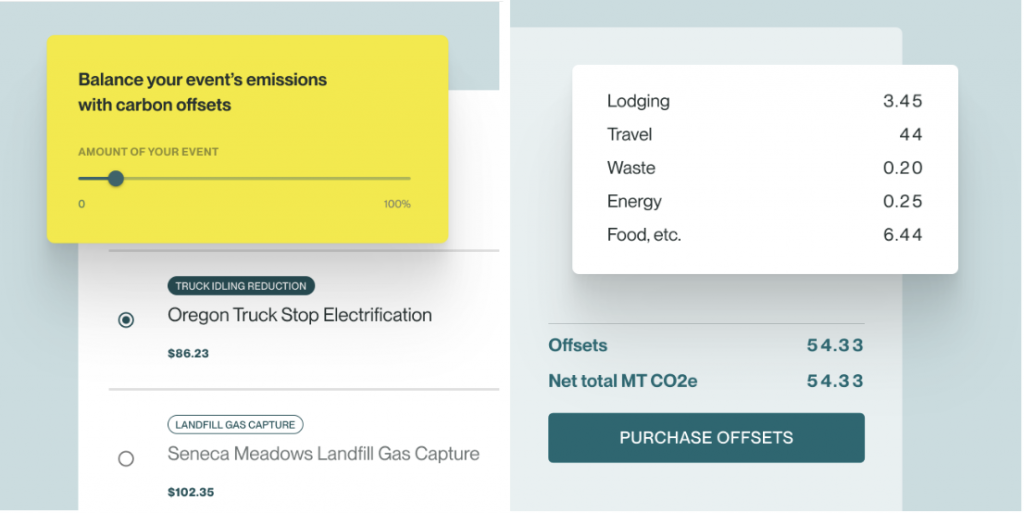
Measure, Report, and Improve Your Sustainability Impact
Leverage event sustainability tools or calculators to measure the footprint of your program. From emissions and waste to water usage and sourcing, data gives you the insight you need to improve and report on your ESG outcomes. At On Purpose Events we offer detailed tracking and offsetting options tailored to business travel.
Sustainable Planning Insight: Use your findings to share a sustainability snapshot post-event — a great tool for internal comms, reports, and showcasing your sustainability achievements. This also demonstrates your commitment to carbon-neutral incentive programs.
Partner with a Sustainable Incentive Travel Company
Sustainable incentive tourism isn’t about cutting corners, it’s about planning smarter. At On Purpose Events, we’re a specialist incentive travel company helping organisations design and deliver carbon-neutral programs that surprise and delight, while aligning with sustainability goals.
From strategic sourcing and ethical suppliers to purpose-led itineraries and custom carbon offsetting, our corporate incentive travel planners guide you every step of the way without compromise. Whether you’re planning a carbon-neutral incentive trip or a hybrid conference, On Purpose Events On Purpose Events help you design experiences that exceed expectations and align with your sustainability goals.
Contact us today to start planning your next event. Together, we’ll make every moment count for your brand, your people, and our planet.
Recap: Planning Sustainable Incentive Tourism in 2026
✅ Choose eco-friendly destinations
✅ Minimise carbon emissions and offset where possible
✅ Select eco-certified hotels and suppliers
✅ Add purpose-driven, local experiences
✅ Avoid waste and single-use plastics
✅ Be transparent with your team
✅ Track your impact and build on it
✅ Work with the right partner for sustainable corporate incentive travel
Planning an Incentive Tour That Actually Delivers
Incentive tourism has shifted. Participant expectations have risen, and the organisations getting the best results are those treating incentive tours as a strategic program – not just a trip.
A well-designed incentive tour connects the destination, the experiences, and the recognition moments into a single coherent program. Every element is built around a clear purpose – whether that is celebrating top performers, strengthening culture, or driving specific behaviours heading into the next financial year.
For Australian organisations, the options are genuinely strong. Short-haul destinations like Bali, Fiji, and New Zealand offer high reward value with manageable logistics. Domestic options – the Whitsundays, Tasmania, the Hunter Valley – deliver real distance from the everyday without the complexity of international travel. Further afield, Singapore, Tokyo, and Bangkok remain consistent performers for groups seeking genuine novelty.
Sustainable incentive tourism is also no longer a niche consideration. Eco-certified accommodation, purpose-driven local experiences, and carbon offsetting are now standard expectations for many corporate programs – and the destinations best suited to delivering them tend to top the shortlists anyway.
Getting the incentive tour right from the brief stage is what separates programs that hit their ROI targets from those that fall short. Clear qualification criteria, a specific per-head budget, and a program purpose that goes beyond the destination itself are where it starts.
Ready to plan an incentive tour your top performers will actually remember? Get in touch with the On Purpose Events team – we work with Australian organisations across every stage of incentive tourism planning, from the initial brief through to on-the-ground delivery.
Frequently Asked Questions about Corporate Incentive Trips
What makes a corporate incentive trip different from a standard team reward?
A cash bonus is forgotten quickly. An incentive trip is not. The shared experience – the destination, the activities, the recognition moments – creates a memory that participants associate with the organisation long after they return. That lasting connection is what makes incentive trips a more effective motivational tool than financial rewards alone, particularly for high performers who already earn well.
How do you choose the right destination for an incentive group travel program?
The destination needs to match the group, not just impress in a planning meeting. Key considerations include direct flight access from Australian capital cities, safety and duty of care requirements, and whether the location offers something genuinely new to participants who may have earned trips before. Destinations like Queenstown in New Zealand, Tasmania, and Fiji consistently perform well for Australian incentive groups because they combine reward value with responsible tourism credentials.
What role does sustainability play in incentive travel programs today?
It is no longer peripheral. Younger qualifiers increasingly factor environmental and ethical considerations into how they perceive a reward, and some will decline a trip that conflicts with their values. Beyond participant sentiment, organisations with ESG reporting commitments need their incentive programs to align with broader sustainability goals. This shapes everything from accommodation selection and transport choices to the type of experiences included in the itinerary.
What are the most effective experience types to include in an incentive group travel program?
Purpose-driven experiences consistently outperform generic sightseeing in both participant satisfaction and post-trip recall. Indigenous-led cultural programs, marine conservation activities, farm-to-table experiences, and eco-adventure activities give participants something meaningful to connect with – and to talk about when they return. That word-of-mouth effect within the broader team is a secondary motivational benefit that standard leisure activities rarely produce.
How should organisations communicate an incentive travel program to maximise its impact?
The trip itself is only part of the motivational value. The period between announcement and departure is where anticipation – and therefore motivation – builds. Programs communicated early, with clear qualification criteria and regular updates, generate more genuine engagement than those announced close to departure. Post-trip communications, including sustainability impact reporting and recognition of participants, extend the program’s effect further into the broader team.